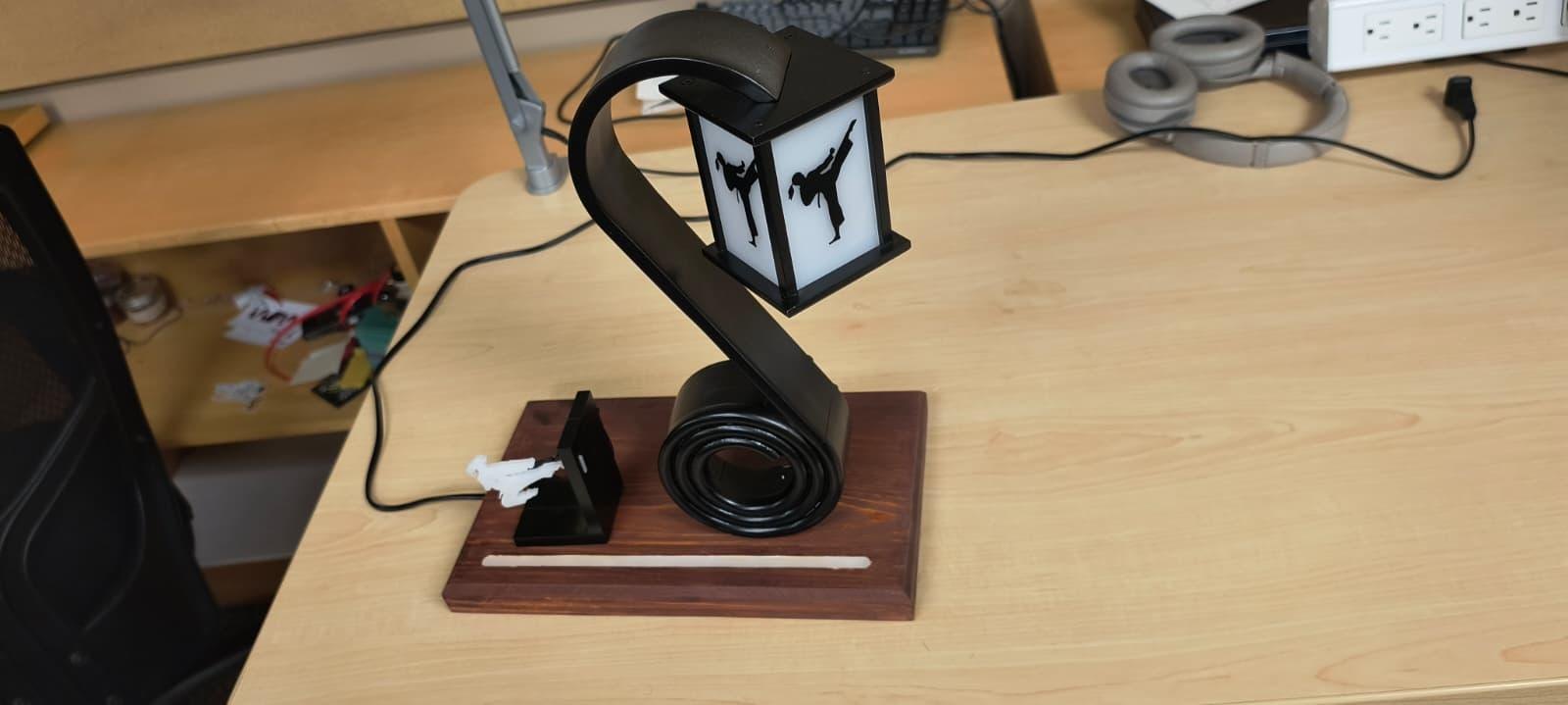
Beacon - taekwondo lamp and bookend
A gift that had to hold books up and be worth looking at. Most of the work went into reaching a shape you cannot buy as stock.

the problem
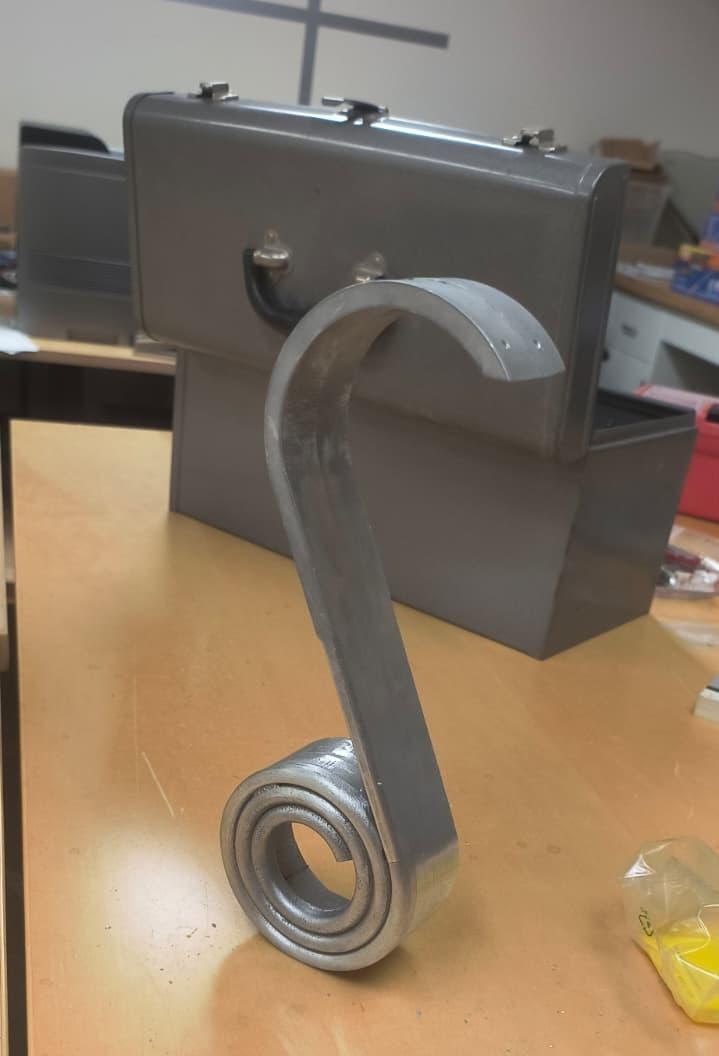
A gift for someone who does taekwondo, which had to earn its place on a desk and hold books up while it was there. The shape I wanted - a curved arm and a flat spiral - is not something you can buy as stock, so most of the project was working out how to get to it.
what I did
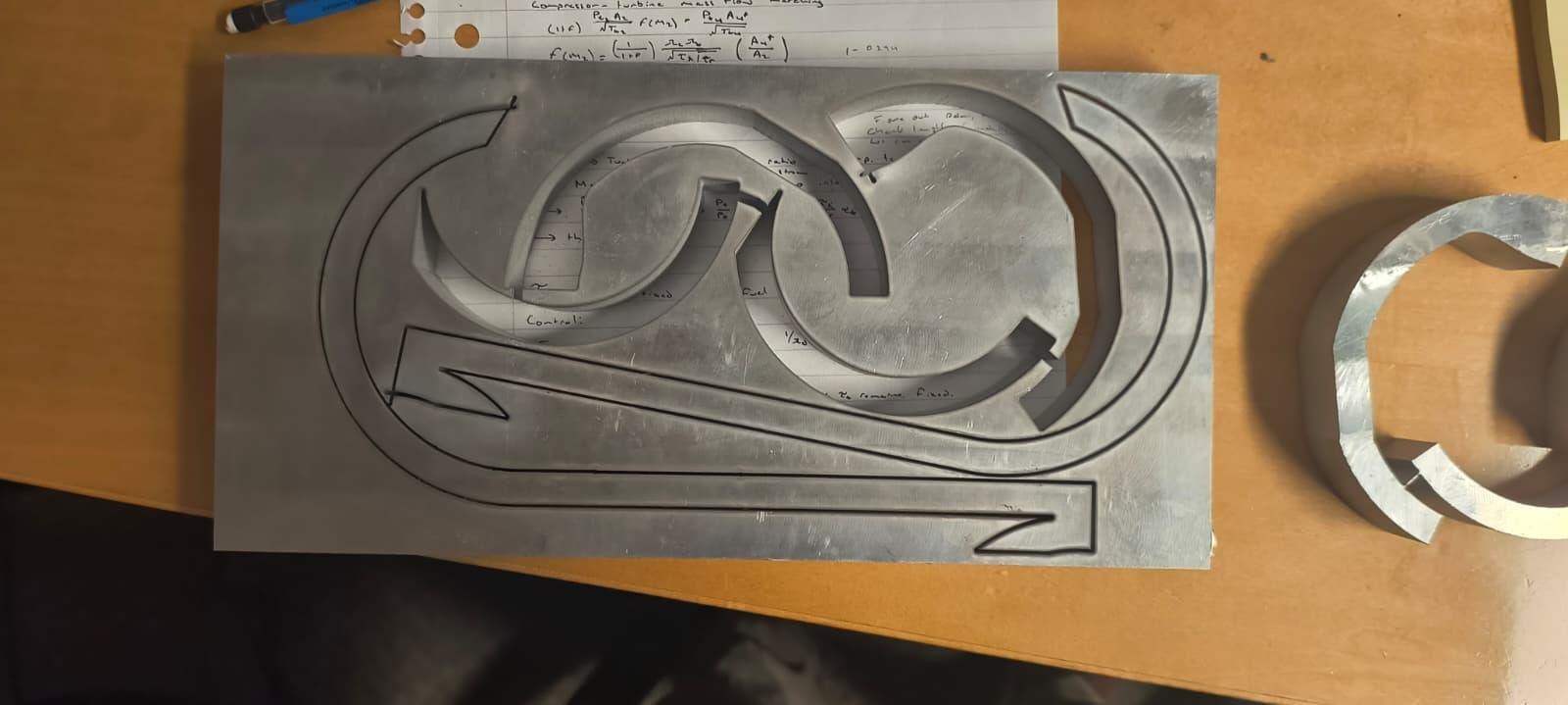
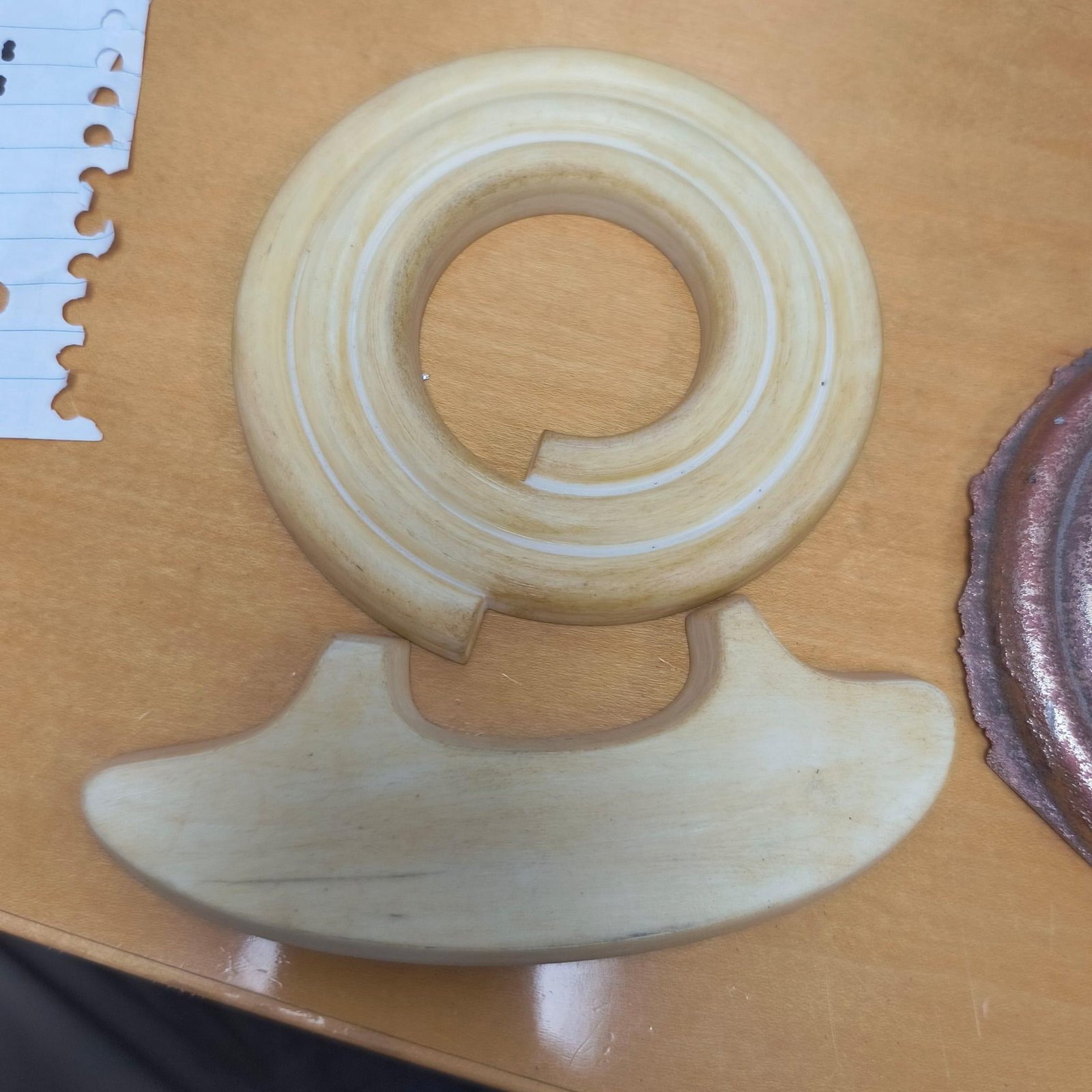
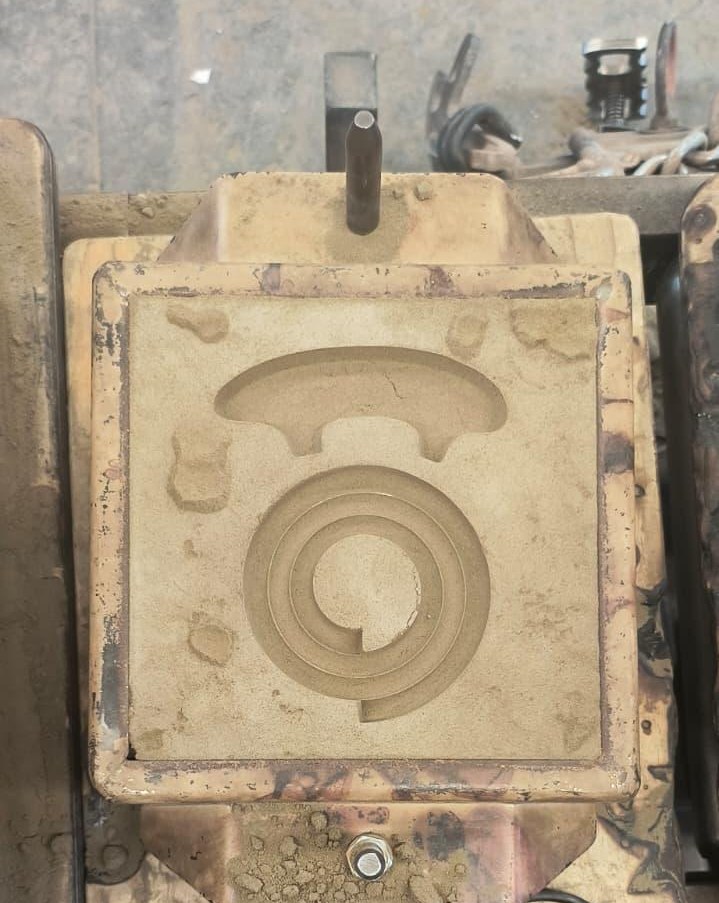
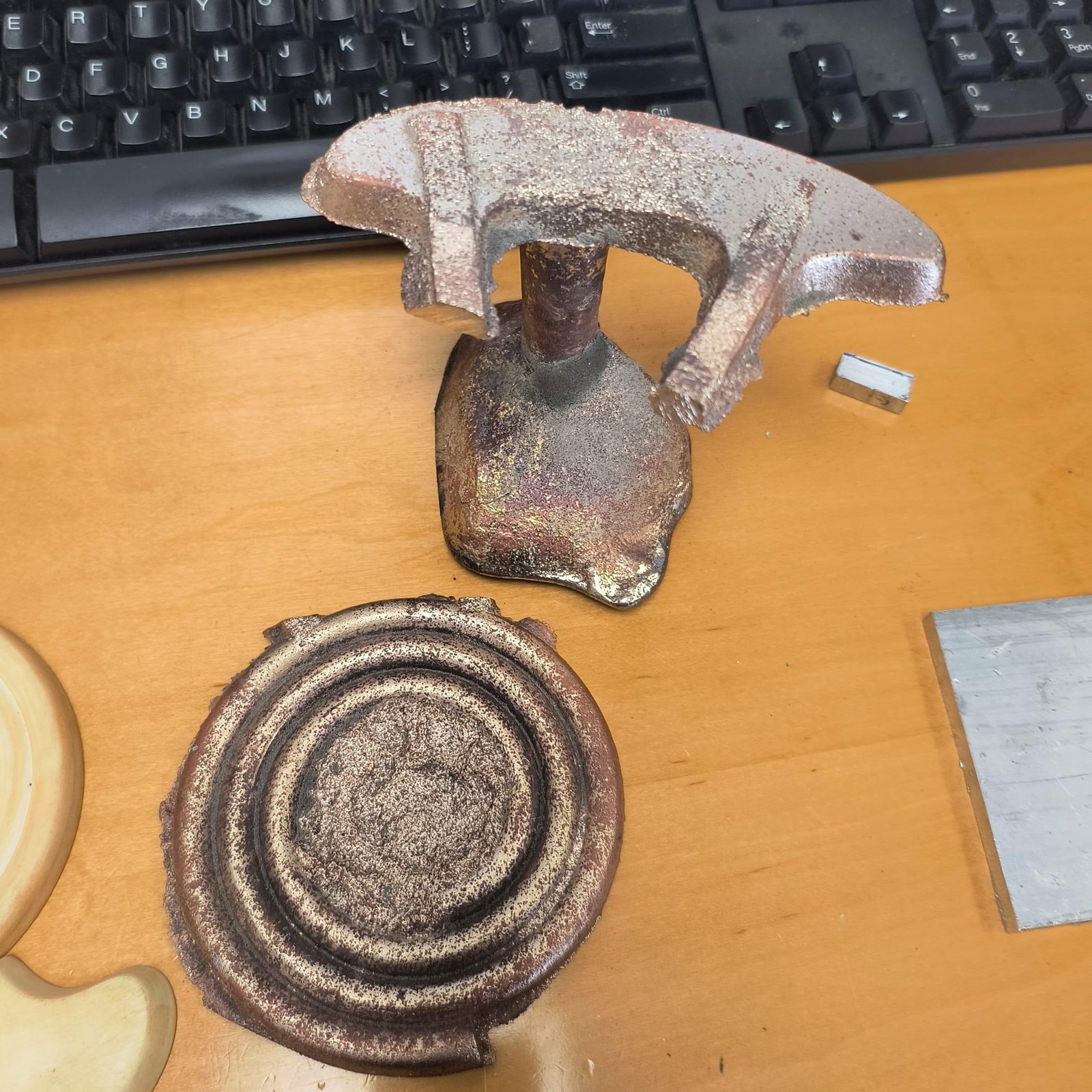
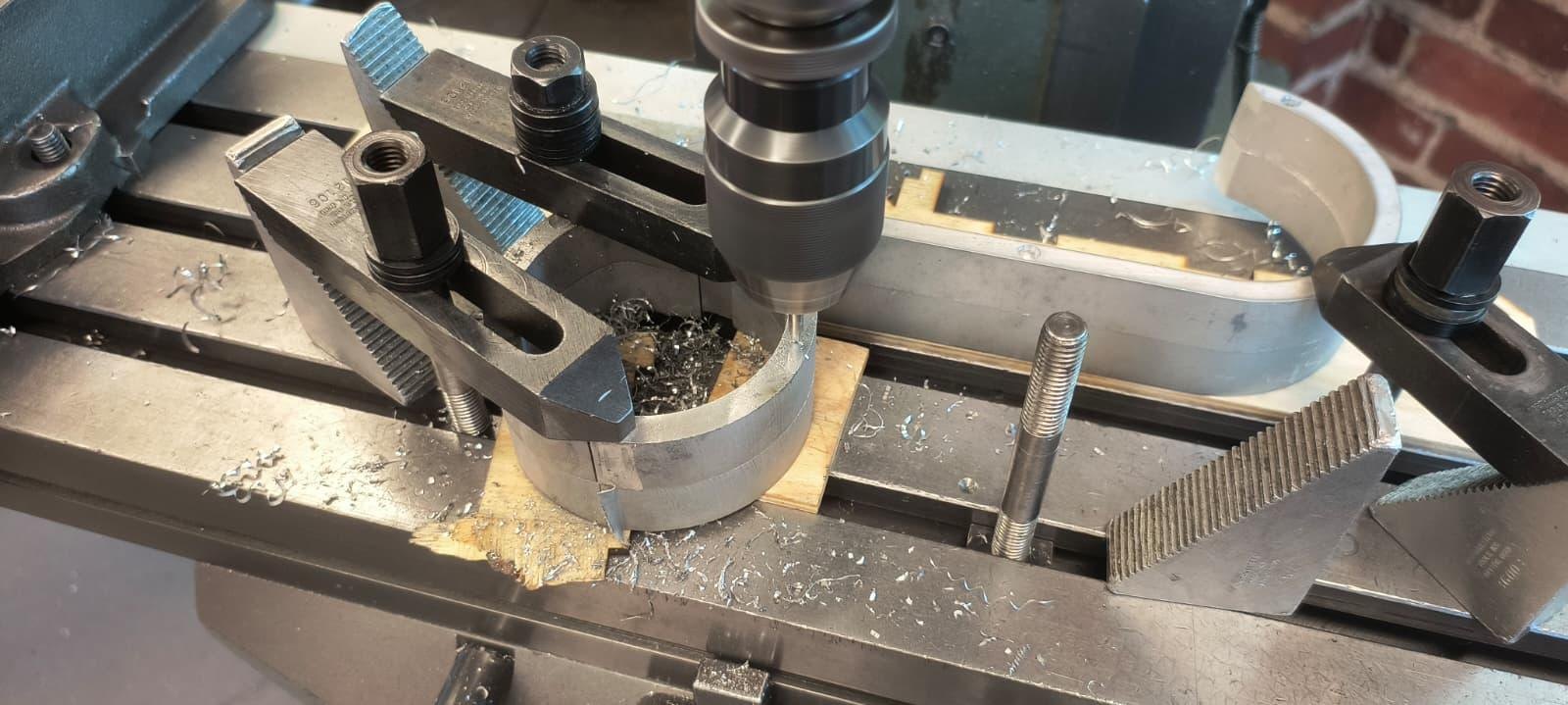
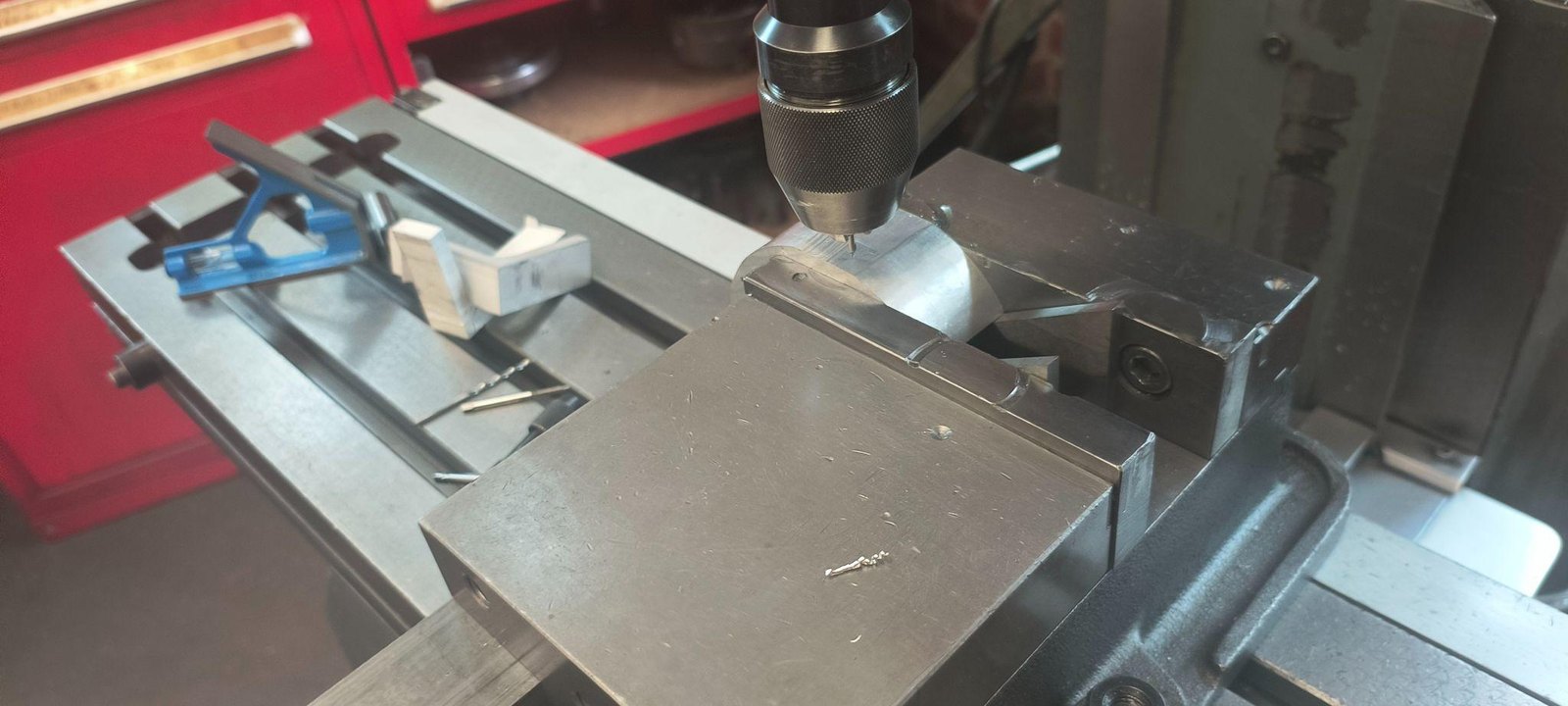
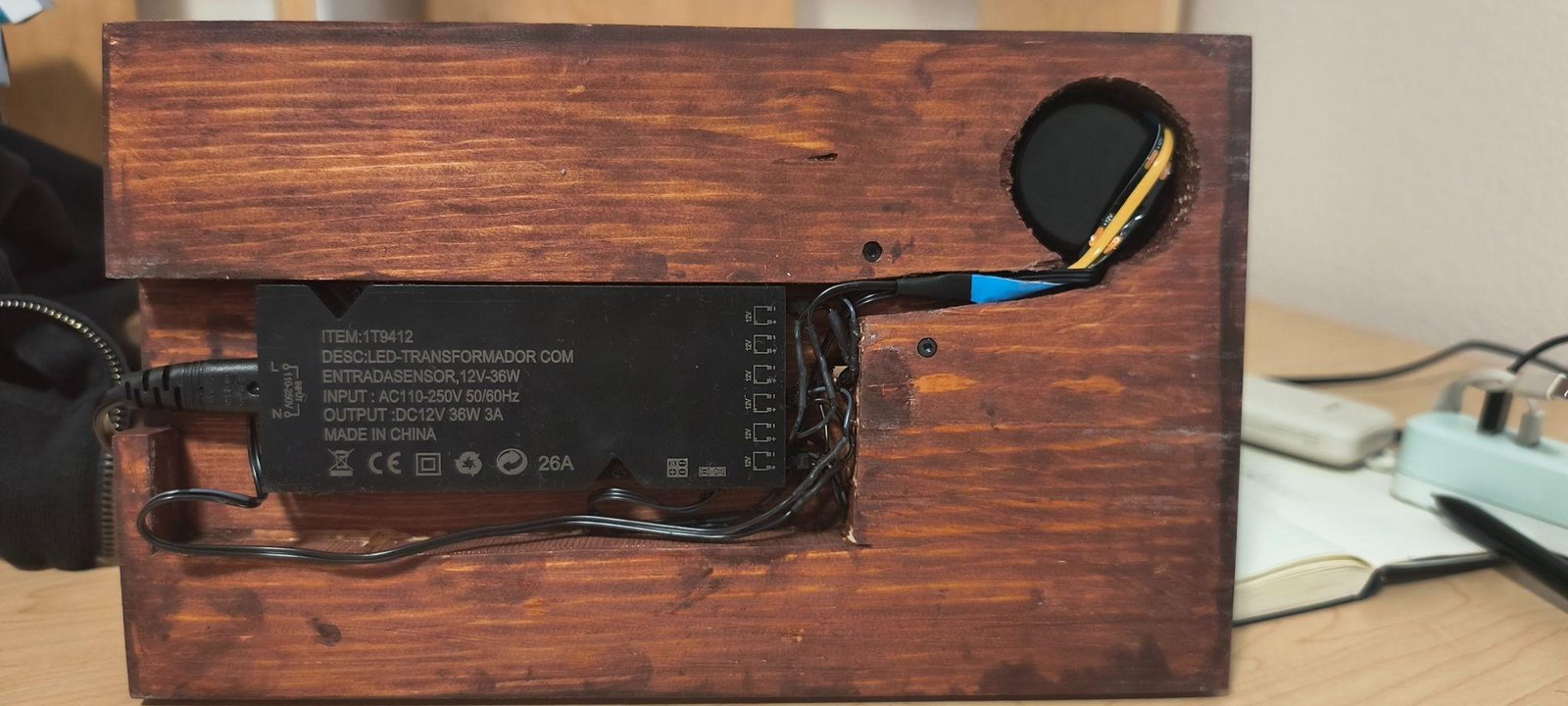
Sketched 4 ideas and took the lamp forward. Priced the cutting both ways first: every profile waterjet out of 1 inch plate at $60 a sheet and stacked, or cut straight through 2 inch plate at over $200. Took the thinner stock. Cast the coil in sand from a pattern and milled its mounting points afterwards. The rest was milling - edge find, face, drill, tap, counterbore, countersink - with a lot of strap clamp set-ups and angle blocks to hold curved parts square. The base is wood, routed for a light strip, with the transformer pocketed underneath.
what happened
It works and it is in use, lit, with books in it. The casting took 6 goes at the mould - the first lost to break-off where I had not left enough draft, the rest to flasks that had deformed - and the casting that came out was usable. The mill only added the mounting points.
what I learned
Waterjet draft has to be accounted for on thick parts. Corner rounding should only be done on simple geometries - I found that out on a curved part and got away with it by offsetting 5 degrees to blend. Wiring always needs more room than you have left it. The last of it is not about machining at all: photograph more of the process while it is happening, and ask for help sooner.
Five processes
| Sand casting | the coil, from a pattern |
|---|---|
| Waterjet | every profile, cut from 1 inch plate and stacked |
| Milling | mounting points, holes, threads and the blended edge |
| Laser cutting | the lantern panels, and the figurine lit on the bookend |
| Woodwork | the base, routed for the light strip |
Idea
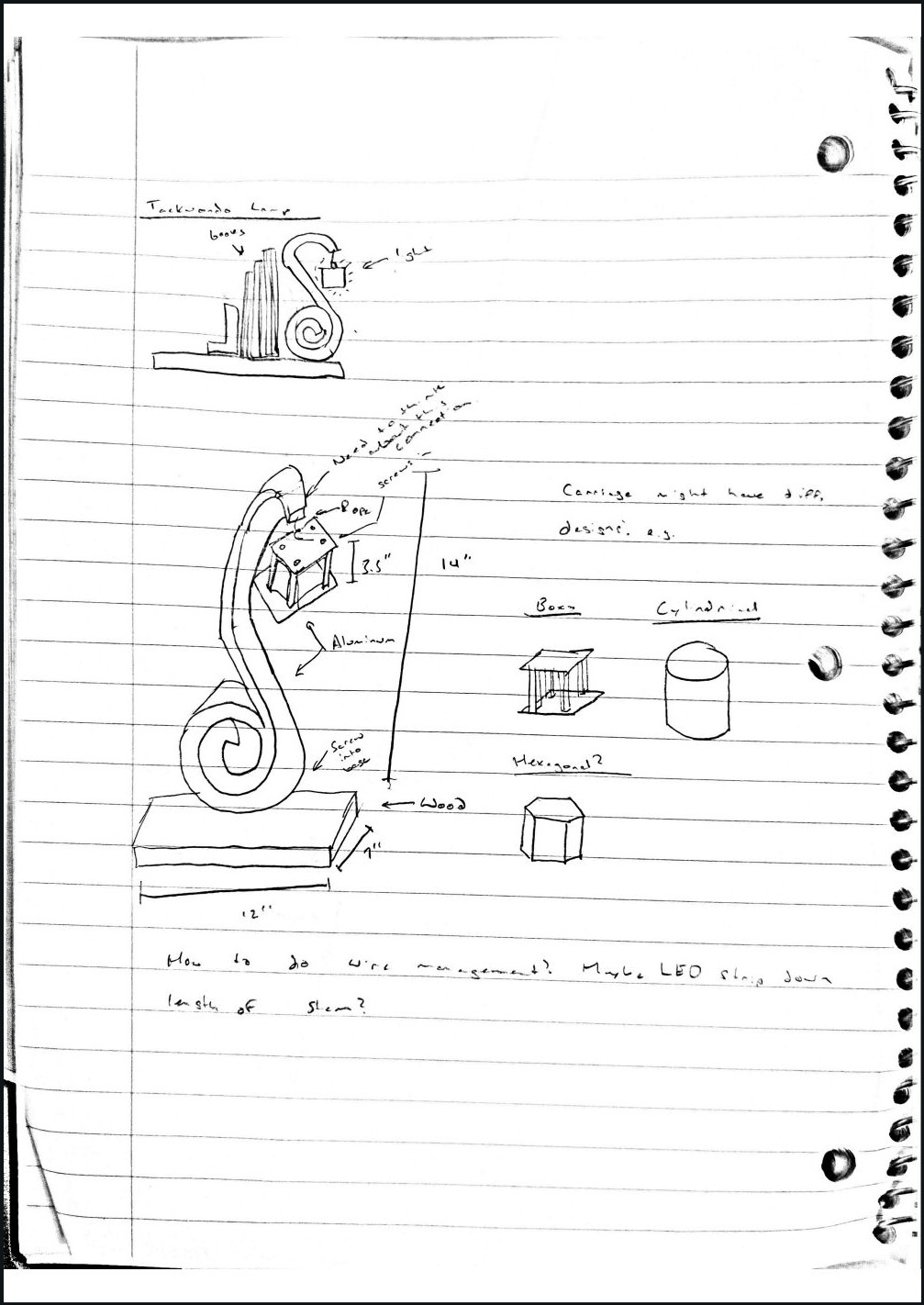
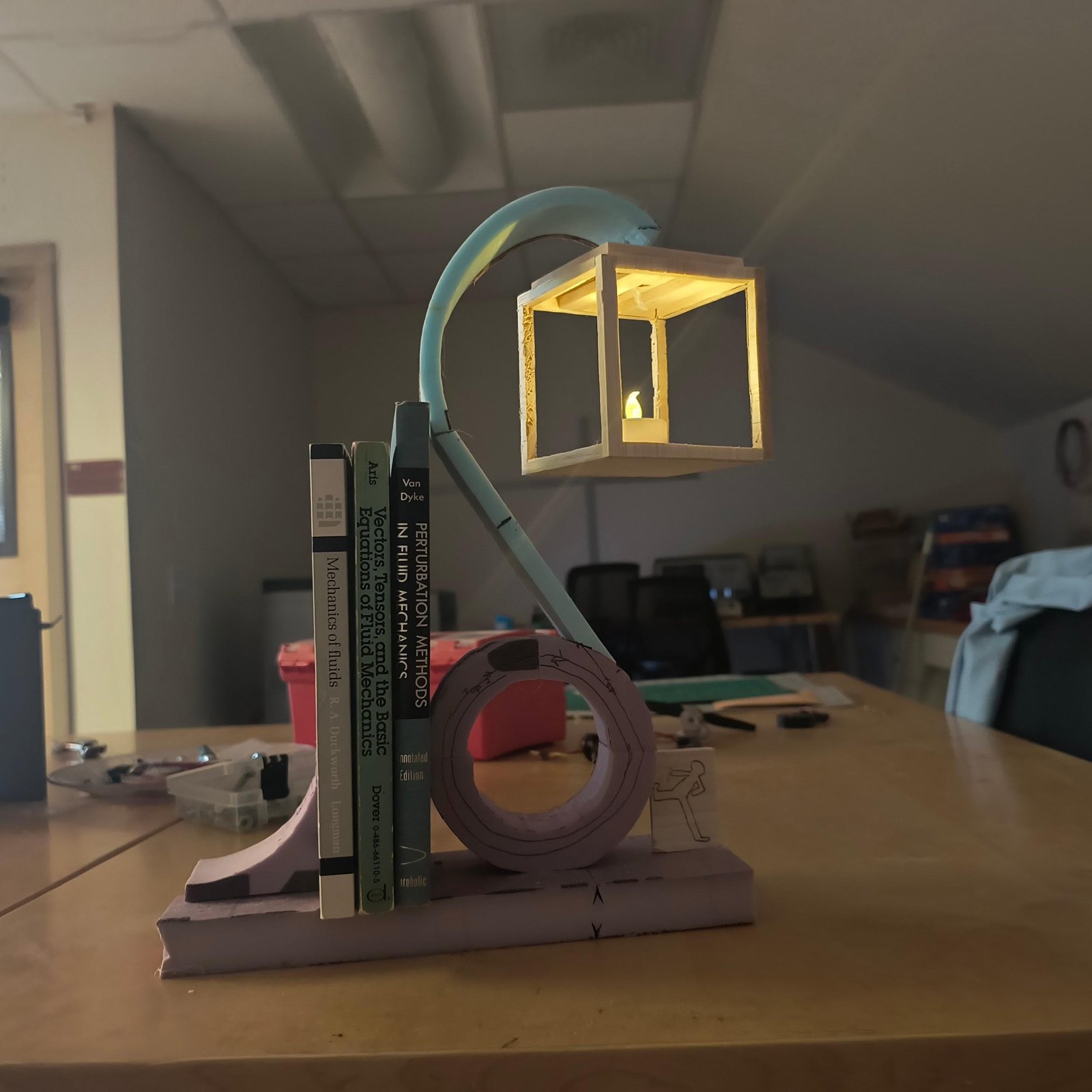
Four concepts before anything was cut: a kicking figure, a belt display case, a clock, a pen holder. The lamp won because it had a job to do when it was switched off.
Design
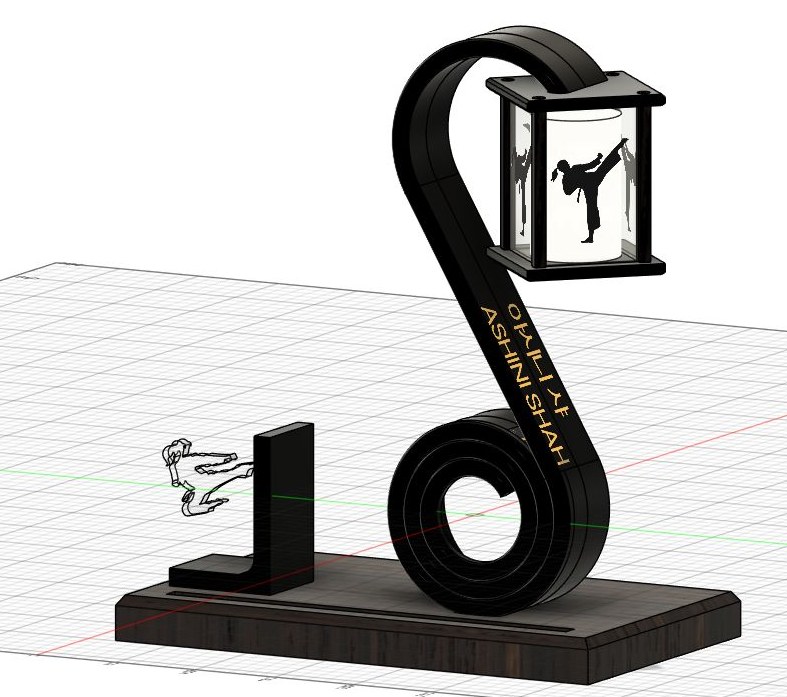
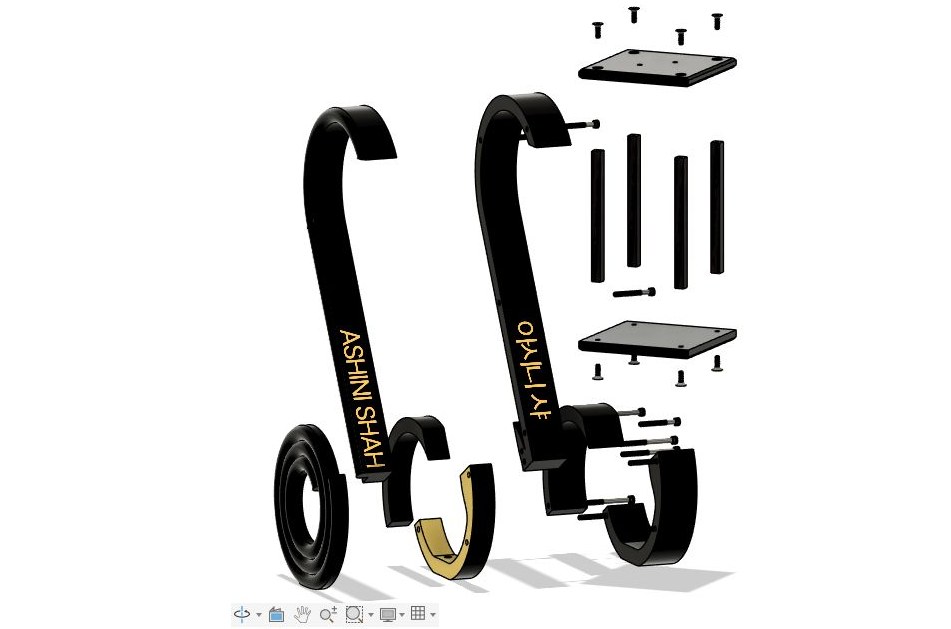
The assembly and the exploded view. A pair of arms sandwich the coil, the lantern sits on standoffs between a top and bottom plate, and everything lands on the wooden base.
The coil
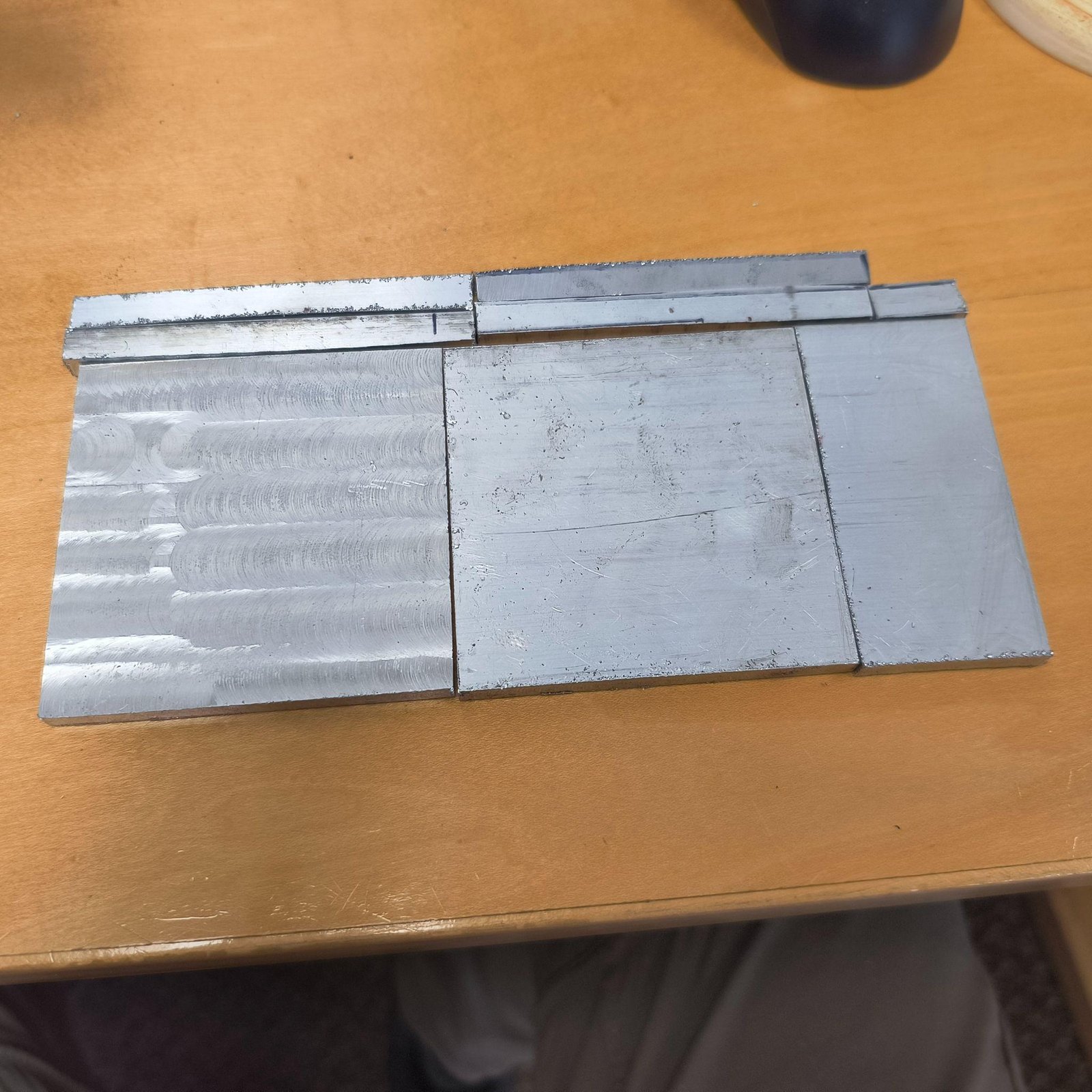
The parts are thicker than the plate I bought, so every profile was cut from 1 inch stock and stacked. The coil went a different way: a pattern, a sand mould, and the mill afterwards for its mounting points.
On the mill
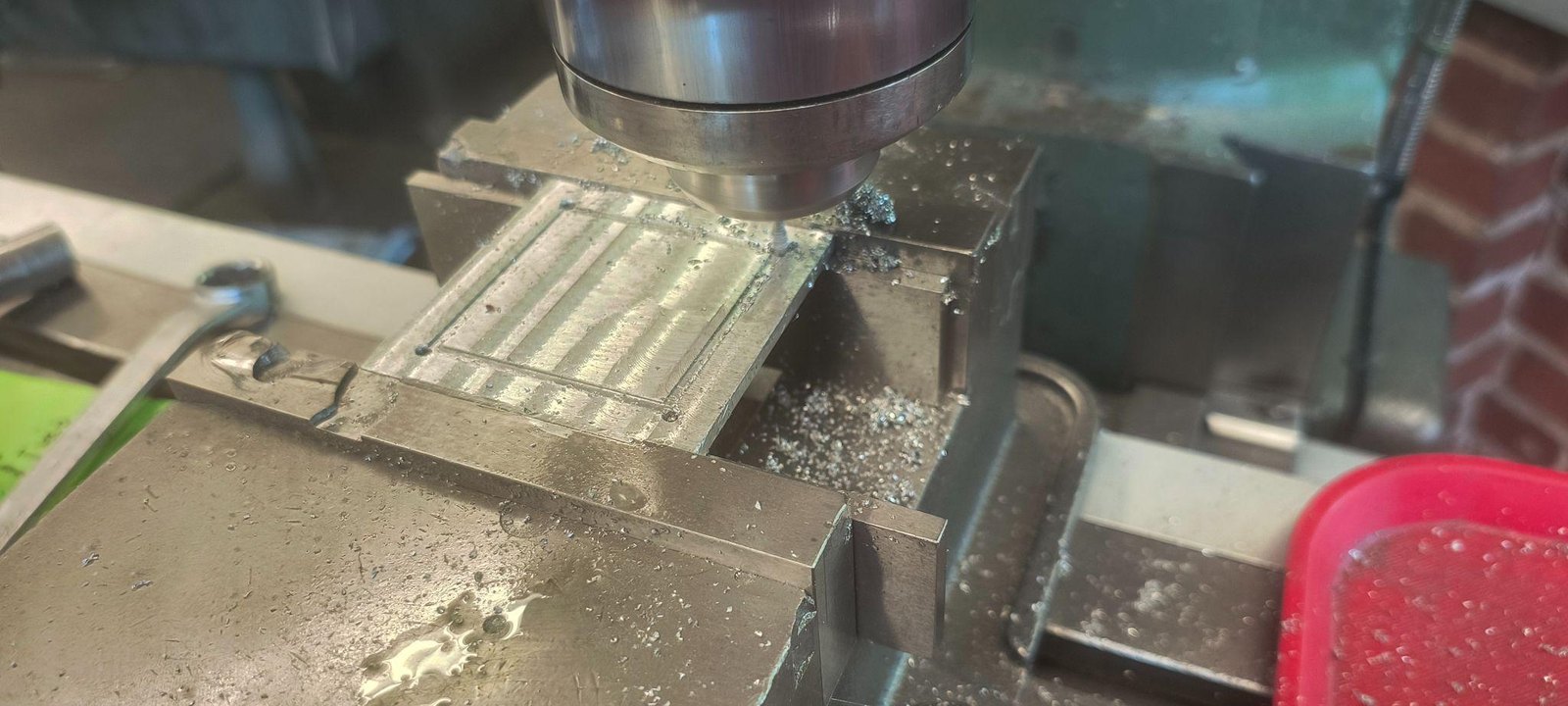
Most of the hours. Curved parts do not sit square in a vice, so nearly every operation needed its own set-up.
Lantern and base
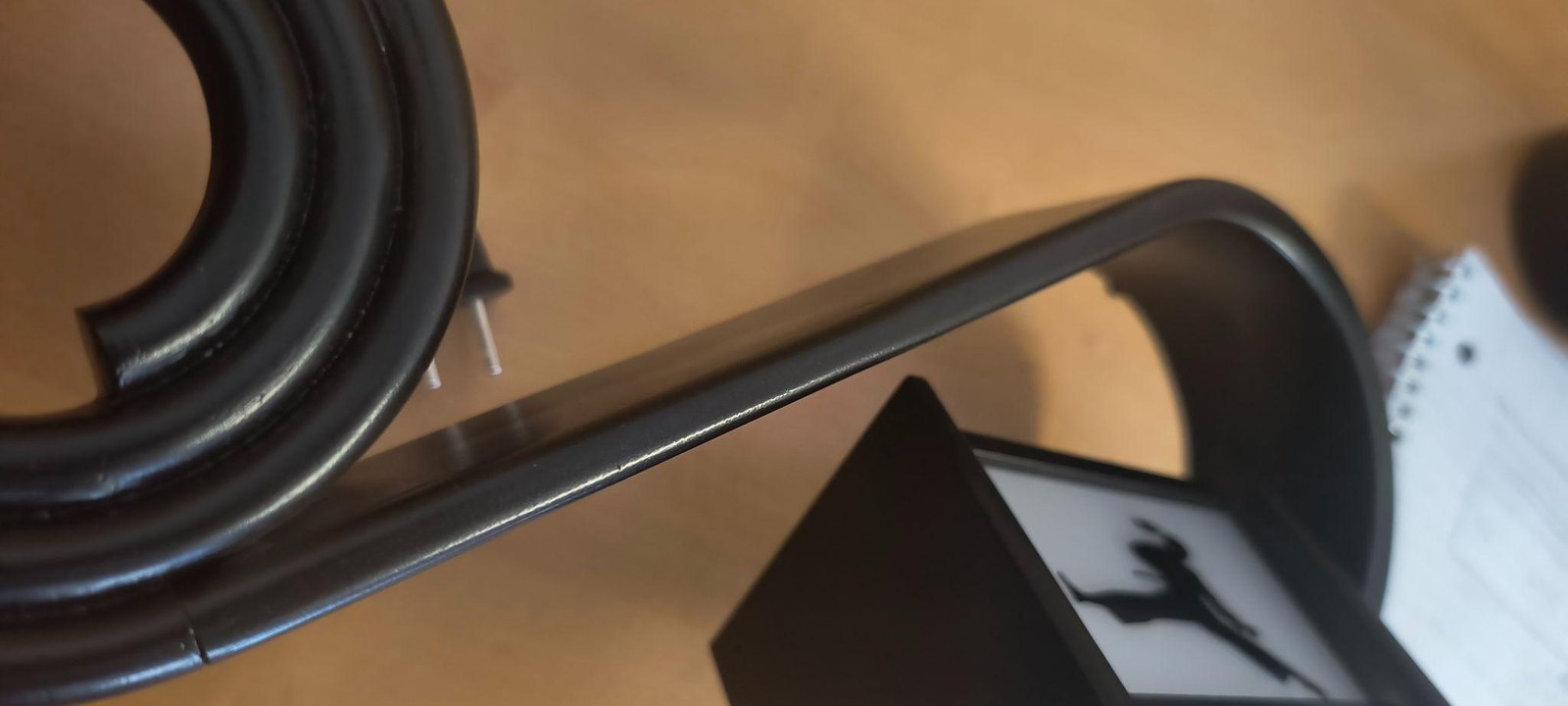
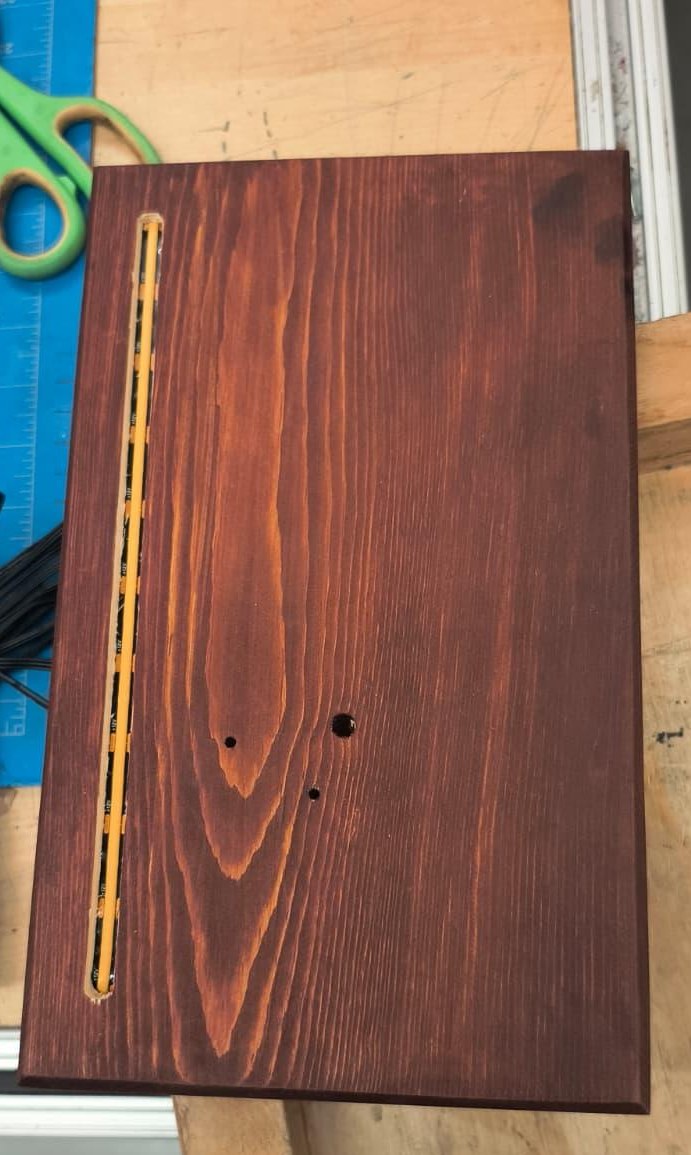
The lantern is a pair of waterjet plates on standoffs with laser-cut panels between them. The figurine on the bookend is laser cut too, and lit from the base. The base hides the wiring, which is the part that needed the most room and got the least.
Finished